
By Wendy He – Silicone Baby Product Expert
Updated: May 14, 2026
Key Takeaways
- • Silicone plates offer better durability than bamboo and plastic
- • Food-grade silicone is BPA-free and suitable for infant feeding
- • Silicone supports stronger customization for baby brands
- • Suction plate designs improve feeding stability
- • More premium baby brands are shifting toward silicone feeding products
Introduction
Baby feeding products have changed significantly in recent years as parents and brands place greater attention on safety, durability, and long-term usability. While plastic and bamboo feeding plates were once common choices, food-grade silicone has become a preferred material for modern baby feeding products. Silicone plates are flexible, heat-resistant, reusable, and compatible with practical feeding features such as suction bases and divided meal sections. For retailers, distributors, and private label baby brands, silicone products also provide stronger customization flexibility and better long-term product performance compared with many traditional feeding materials.
Why Material Choice Matters in Baby Feeding Products
Material selection directly affects product safety, durability, maintenance, and user experience. In baby feeding products, these factors become even more important because plates are exposed to heat, repeated cleaning, drops, food contact, and daily handling.
Parents today are also more conscious about the materials used in feeding products, especially regarding BPA-free standards, food-contact safety, and long-term durability.
As a result, many modern baby brands are gradually replacing traditional materials with food-grade silicone alternatives.
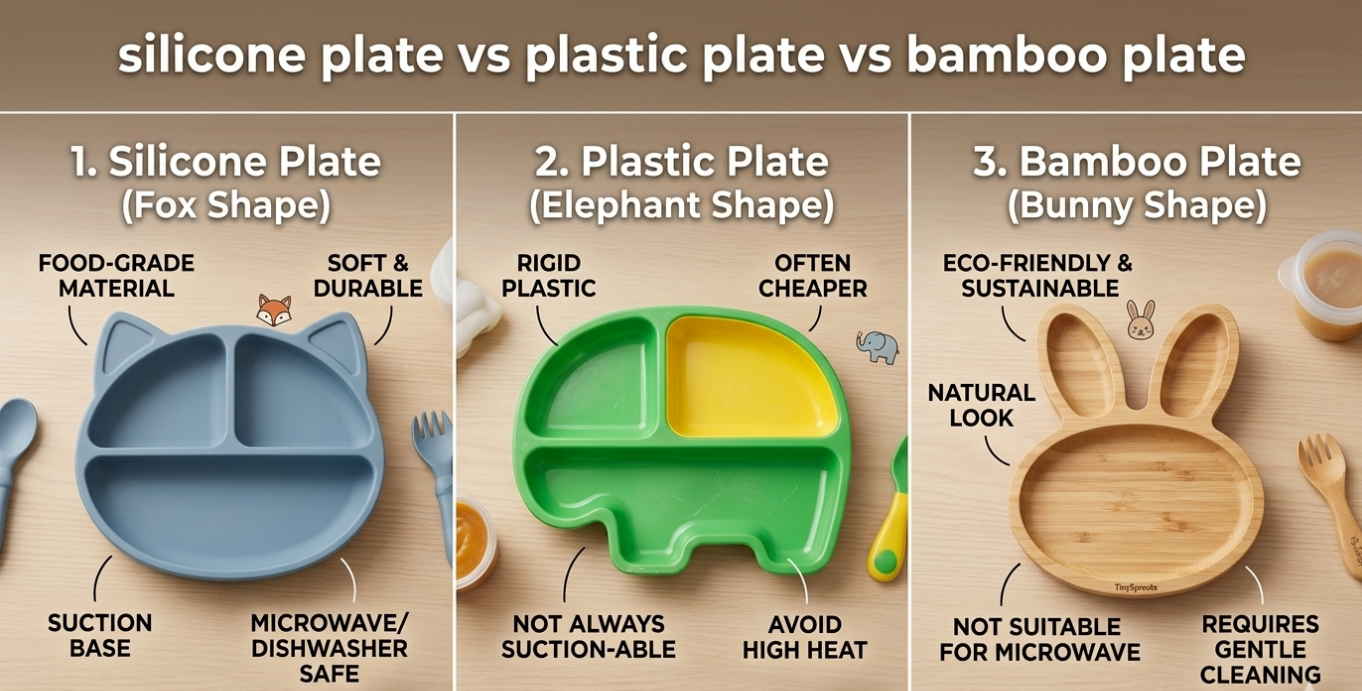
Silicone Plates vs Plastic Plates
Plastic baby plates have been widely used for years because of their low production cost and lightweight structure. However, silicone plates have become increasingly popular due to their improved safety and durability performance.
Better Heat Resistance for Daily Feeding
Plastic materials may deform or wear down after repeated microwave heating or dishwasher cleaning. Food-grade silicone remains stable under both hot and cold temperatures, making it more suitable for modern feeding routines.
This is especially important for parents who regularly heat meals directly inside feeding plates.
Reduced Risk of Cracking and Breakage
Silicone materials remain flexible even after long-term use. Unlike hard plastic products, silicone plates are less likely to crack, chip, or break when dropped from high chairs or dining tables.
This helps reduce replacement frequency and improves long-term product value.
Safer Material Expectations in Modern Markets
Parents increasingly prefer products made from BPA-free and food-contact-safe materials. Many premium baby product brands now position silicone feeding products as a safer alternative to conventional plastic tableware.
Some manufacturers follow standards outlined in the FDA food contact materials guidelines when producing silicone feeding products for international markets.
Silicone Plates vs Bamboo Plates
Bamboo feeding products are often promoted as natural or eco-friendly options, but they may present limitations in durability and maintenance during long-term use.
Better Moisture and Stain Resistance
Bamboo materials can absorb moisture over time, especially after repeated washing or exposure to wet foods. Silicone plates are waterproof and non-porous, making them easier to maintain in daily feeding environments.
Silicone surfaces are also less likely to develop stains or absorb food odors when cleaned properly.
Longer Product Lifespan
Bamboo feeding plates may gradually wear down, split, or lose surface quality after extended use. Silicone products maintain their flexibility and structure even after repeated bending, washing, and dropping.
For retailers and distributors, durable products can help reduce customer complaints and replacement issues.
Easier Maintenance for Parents
Some bamboo feeding products require hand washing or more careful maintenance. Silicone plates are generally dishwasher-safe, freezer-safe, and microwave-safe, making them more practical for modern families.
Silicone Plates vs Stainless Steel Plates
Stainless steel plates are durable and reusable, but they are less commonly used in infant feeding products because they lack flexibility and feeding-friendly functionality.
Softer Feeding Experience
Silicone has a naturally soft texture that feels gentler during feeding. Stainless steel surfaces are harder and may feel less comfortable for babies learning self-feeding skills.
Better Feeding Functionality
Silicone plates can include:
• Suction bases
• Divided food sections
• Flexible edges
• Anti-slip designs
These features improve feeding convenience and help reduce spills during mealtime.
Modern silicone baby plates are often designed specifically to support self-feeding and baby-led weaning stages.
More Flexible Product Design Options
Silicone materials allow more flexibility in shape, texture, color, and feeding functionality compared with stainless steel manufacturing.
This gives brands more opportunities to create differentiated feeding product collections.
Why Premium Baby Brands Prefer Silicone Plates
In recent years, silicone feeding products have become increasingly common in premium baby product collections because they align with modern consumer expectations for safety, convenience, and product quality.
Better Compatibility With Modern Feeding Trends
Features such as suction bases, divided meal sections, and self-feeding designs make silicone products highly compatible with baby-led weaning and independent feeding development.
Many complete baby tableware sets now include matching silicone plates, bowls, bibs, and utensils to create coordinated feeding solutions.
Stronger Customization Opportunities
Silicone materials support flexible OEM and private label development, including:
- • Custom colors
- • Pantone matching
- • Logo embossing
- • Unique shapes
- • Divided plate layouts
- • Custom packaging
Compared with bamboo or stainless steel products, silicone products are often easier to customize consistently at scale.
Suitable for Premium Retail Positioning
Many modern retailers position silicone feeding products within premium baby feeding categories because of their durability, modern appearance, and perceived product safety.
Silicone feeding products are also commonly used in gift sets and curated feeding collections.
Are Silicone Plates Safe for Babies?
Safety remains one of the most important purchasing considerations in baby feeding products.
Food-Grade Silicone and BPA-Free Standards
High-quality silicone feeding products are typically manufactured using BPA-free food-grade silicone materials that comply with international food-contact regulations.
European markets often reference standards described in the LFGB food contact testing overview when evaluating baby feeding products.
Stable Performance Under Heat
Food-grade silicone remains stable during microwave heating and dishwasher cleaning without easily deforming or cracking.
This helps improve long-term product reliability during daily feeding use.
Suitable for Everyday Infant Feeding
Silicone products are lightweight, flexible, and easy to clean, making them practical for everyday feeding routines at home or while traveling.
Why Silicone Plates Work Well for OEM and Wholesale Projects
Silicone feeding products continue to grow in the global baby products market because they combine modern design trends with flexible manufacturing possibilities.
Easier Product Line Expansion
Brands can develop coordinated product collections that include:
- • Plates
- • Bowls
- • Bibs
- • Cups
- • Feeding utensils
This helps improve product consistency across feeding categories.
Flexible Branding Opportunities
Private label projects often include:
• Logo customization
• Packaging development
• Color matching
• Retail-ready product presentation
Many distributors source custom silicone baby products to build differentiated feeding product collections.
Growing Global Demand
As more consumers prioritize reusable and durable feeding products, silicone tableware continues to gain popularity across online retail, boutique baby stores, and premium feeding product markets.
Sustainability discussions from organizations such as the EPA sustainable materials management overview have also increased awareness of reusable product alternatives.
Frequently Asked Questions About Silicone Plates
Why are silicone plates more expensive than plastic plates?
Silicone feeding products generally use higher-quality food-contact materials and offer better durability, heat resistance, and long-term usability than standard plastic products.
Are silicone plates better than bamboo plates for babies?
Silicone plates are often preferred because they are waterproof, flexible, easier to clean, and more resistant to cracking or moisture damage.
Do silicone suction plates actually stay in place?
Yes, suction silicone plates are designed to stick firmly to smooth surfaces, helping reduce spills and improving feeding stability.
Can silicone plates handle hot food safely?
Food-grade silicone is heat-resistant and suitable for warm meals, microwave heating, and dishwasher cleaning.
Why do premium baby brands use silicone feeding products?
Many premium baby brands prefer silicone because it combines modern aesthetics, safety compliance, durability, and customization flexibility.
Can silicone feeding plates be customized for OEM projects?
Yes, silicone feeding plates can be customized with logos, Pantone colors, divided layouts, suction structures, and retail packaging.
Are silicone feeding products suitable for baby-led weaning?
Yes, silicone feeding products are commonly used during self-feeding stages because they provide better stability and safer feeding surfaces.
Conclusion
Silicone plates have become a preferred alternative to plastic, bamboo, and stainless steel feeding products because they combine durability, safety, flexibility, and modern feeding functionality. Features such as suction bases, divided sections, and heat-resistant food-grade materials make silicone products especially suitable for infant feeding and self-feeding stages.
For brands and wholesale buyers, silicone feeding products also provide stronger opportunities for OEM customization, premium retail positioning, and long-term product development in the growing baby feeding market.
Author Bio
Wendy He is a silicone baby product expert with extensive experience in baby feeding product development and OEM customization solutions. She specializes in food-grade silicone products, infant feeding solutions, and private label baby product manufacturing.
If you are in business,You may like
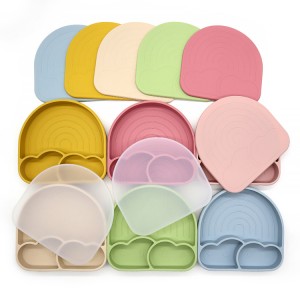
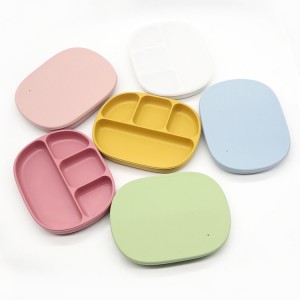
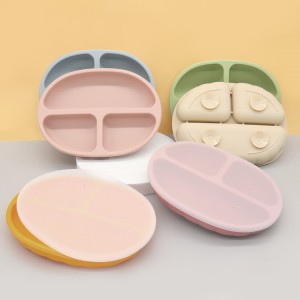
We offer more products and OEM service, welcome to send inquiry to us
Post time: May-14-2026