
Choosing the best baby cutlery is an important step when babies begin transitioning to solid foods. The right utensils not only support safe feeding but also help develop fine motor skills, hand-eye coordination, and independent eating habits.
With so many options available, parents and baby brands often ask: what is the best baby cutlery, and how do you choose the right one?
This guide breaks down the most important factors, materials, and designs to help you make an informed decision.
What Is Baby Cutlery?
Baby cutlery refers to utensils specifically designed for infants and toddlers, typically including spoons, forks, and sometimes training knives. Unlike adult utensils, baby cutlery is designed with:
-
• Smaller sizes for little hands
-
• Rounded edges for safety
-
• Soft or flexible materials to protect gums
-
• Ergonomic handles for easy gripping
The goal is not only feeding, but also encouraging babies to learn self-feeding safely and confidently.
What Makes the Best Baby Cutlery?
Before looking at materials or styles, it’s important to understand the core criteria that define high-quality baby cutlery.
Safety Comes First
The best baby cutlery should be made from non-toxic, food-safe materials, free from BPA, PVC, phthalates, and heavy metals. Smooth edges and one-piece designs help reduce choking or injury risks.
Age-Appropriate Design
Utensils should match a baby’s developmental stage. Younger babies benefit from soft, shallow spoons, while older toddlers may need sturdier forks with rounded tips.
Easy to Hold
Ergonomic handles with anti-slip textures help babies grip utensils more easily, supporting early motor skill development.
Easy to Clean
Baby cutlery should be resistant to stains and odors and easy to wash by hand or in a dishwasher.
Best Materials for Baby Cutlery
Silicone Baby Cutlery
Silicone has become one of the most popular materials for baby cutlery—and for good reason.
Silicone utensils are soft, flexible, and gentle on gums and emerging teeth. High-quality food-grade silicone is heat-resistant, non-porous, and easy to clean. It is also durable enough for repeated daily use without cracking or breaking.
Silicone baby cutlery is especially suitable for:
-
• First-stage self-feeding
-
• Babies with sensitive gums
-
• Parents who prioritize hygiene and durability
Stainless Steel with Silicone Handles
Some baby cutlery combines stainless steel tips with silicone handles. This option is often used for older toddlers who are transitioning to firmer utensils while still needing a comfortable grip.
Plastic Baby Cutlery
Plastic cutlery is lightweight and affordable, but quality varies greatly. Parents and buyers should be cautious to ensure plastics are certified food-safe and free from harmful chemicals.
Best Types of Baby Cutlery by Feeding Stage
Stage 1: First Feeding Spoons
For babies starting solids, shallow silicone spoons with soft tips are ideal. These help prevent gagging and protect delicate gums.
Stage 2: Training Forks and Spoons
As babies gain control, slightly firmer silicone spoons and forks with rounded edges allow them to practice scooping and piercing soft foods safely.
Stage 3: Toddler Cutlery Sets
Older toddlers benefit from complete baby cutlery sets designed to resemble adult utensils but scaled down for safety and control.
Why Silicone Baby Cutlery Is Often the Best Choice
When comparing materials and designs, silicone baby cutlery stands out for several reasons:
-
• Gentle on gums and teeth
-
• Resistant to heat, stains, and odors
-
• Non-slip and easy for babies to grip
-
• Long-lasting and reusable
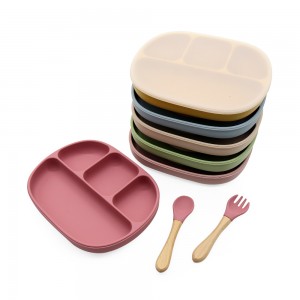
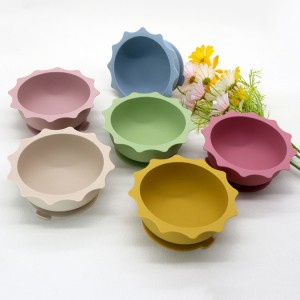
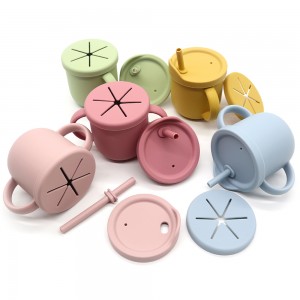
For these reasons, silicone cutlery is widely used in modern baby dinnerware collections and is often paired with silicone plates, bowls, and cups to create cohesive feeding sets.
If you’re exploring a full range of coordinated feeding products, silicone baby cutlery is commonly featured as part of complete baby dinnerware solutions designed for both safety and everyday practicality.
What to Look for When Buying Baby Cutlery
When selecting the best baby cutlery, consider the following checklist:
-
• Food-grade material certification
-
• Smooth, rounded edges
-
• Ergonomic, non-slip handles
-
• Age-appropriate size and firmness
-
• Compatibility with other baby dinnerware items
Choosing cutlery that integrates well with plates and bowls can improve the overall feeding experience and simplify mealtime routines.
Is a Baby Cutlery Set Better Than Individual Utensils?
Many parents and retailers prefer baby cutlery sets rather than single pieces. Sets ensure consistency in material, design, and safety standards, and they often pair well with matching plates and bowls.
For brands and buyers, coordinated baby dinnerware sets also offer stronger visual appeal and clearer product positioning in the market.
Final Thoughts: What Is the Best Baby Cutlery?
So, what is the best baby cutlery?
The answer depends on safety, material quality, and how well the design supports a baby’s developmental stage. In most cases, silicone baby cutlery offers the best balance of safety, comfort, hygiene, and durability.
Whether you are a parent choosing feeding tools or a business sourcing baby dinnerware products, focusing on high-quality silicone cutlery can help ensure a safer and more enjoyable feeding experience.
For a broader look at coordinated feeding products, exploring a complete baby dinnerware range can provide better consistency and long-term value.
Frequently Asked Questions About Baby Cutlery
What is the best baby cutlery?
The best baby cutlery is made from food-grade silicone. It is soft, non-toxic, gentle on gums, and easy for babies to grip. Silicone cutlery supports safe self-feeding while being durable and easy to clean for everyday use.
Is silicone baby cutlery safe for babies?
Yes. Food-grade silicone baby cutlery is BPA-free, phthalate-free, and non-toxic. It does not absorb odors or bacteria and is heat-resistant, making it safe for daily use and repeated washing or sterilization.
At what age should babies start using baby cutlery?
Most babies can start using baby cutlery between 6 and 9 months, when they begin eating solid foods and developing hand-eye coordination. Soft silicone spoons are ideal for early stages, followed by forks and full cutlery sets as skills improve.
Why is silicone better than plastic for baby cutlery?
Silicone is more durable and safer than plastic. It does not crack, leach chemicals, or become brittle over time. Silicone is also gentler on gums and better suited for repeated cleaning and long-term use.
Should baby cutlery match baby dinnerware?
Yes. Baby cutlery works best when paired with matching baby dinnerware such as plates and bowls. Coordinated sets improve feeding efficiency, ensure material consistency, and create a more organized mealtime experience.
What does Melikey specialize in?
Melikey specializes in manufacturing silicone baby cutlery and complete baby dinnerware products. The company focuses on safe materials, functional design, and consistent quality for global baby brands and wholesalers.
Closing Note
Choosing the best baby cutlery is not only about material and design—it’s also about sourcing from a manufacturer that understands safety, functionality, and long-term product performance. With a strong focus on silicone baby cutlery, baby dinnerware, and custom manufacturing, Melikey supports brands worldwide in developing safe, practical, and market-ready feeding products.
If you are in business,You may like
We offer more products and OEM service, welcome to send inquiry to us
Post time: Jan-09-2026