
By Wendy He – Silicone Baby Product Expert
Updated: May 23, 2026
Key Takeaways
-
• MOQ depends on customization complexity and packaging requirements
- • Sample approval is essential before mass production begins
- • OEM silicone baby plates support logo, color, and packaging customization
- • Reliable suppliers should provide certifications and stable lead times
- • Bulk purchasing helps reduce sourcing costs and improve brand consistency
Introduction
Buying bulk custom silicone baby plates involves much more than choosing a product style. Buyers need to evaluate MOQ requirements, customization options, production timelines, packaging solutions, and supplier reliability before placing large orders. A clear understanding of the wholesale ordering process helps brands and distributors reduce sourcing risks while building competitive baby feeding product collections for different retail markets.
What Is the Bulk Ordering Process for Silicone Baby Plates?
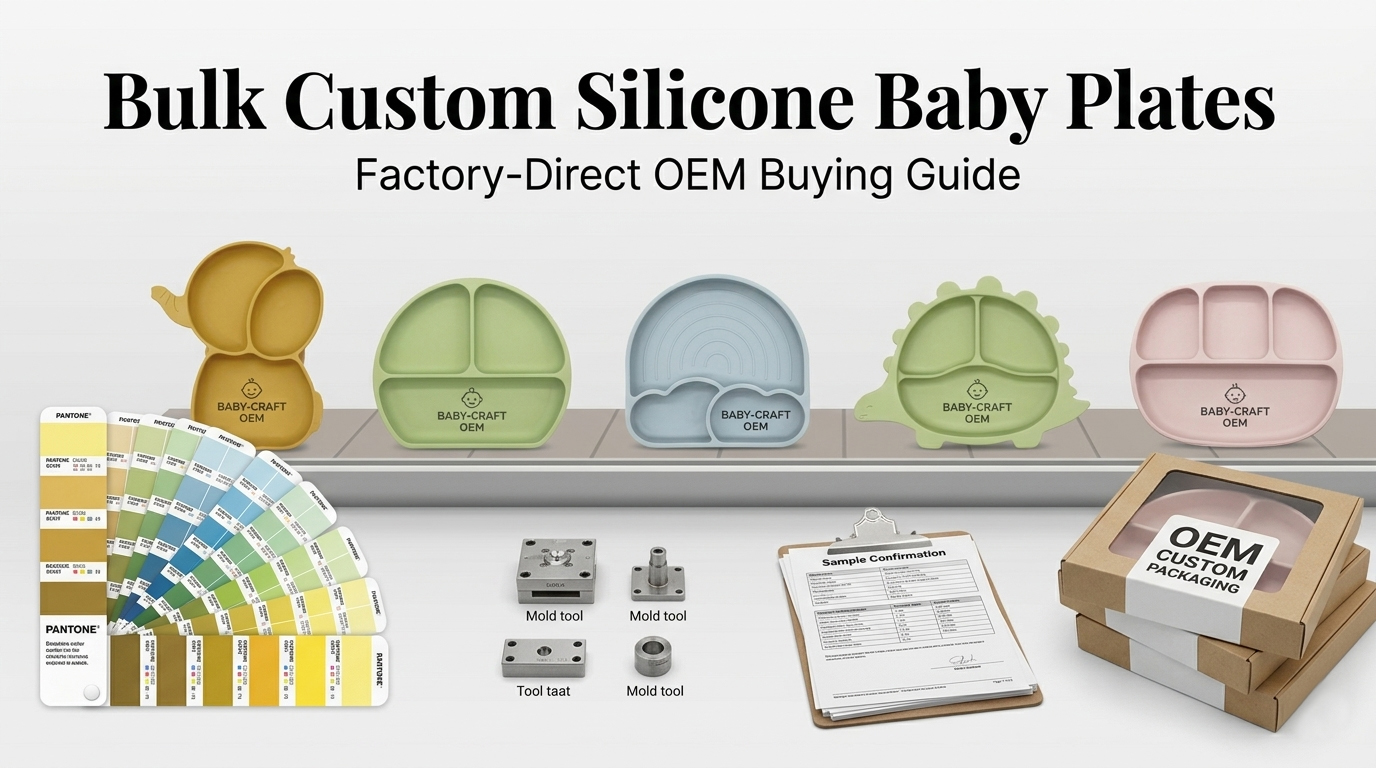
The bulk ordering process for silicone baby plates usually follows a standard OEM workflow that includes product selection, quotation, sampling, production, packaging, and shipping coordination.
Most suppliers first confirm product specifications such as size, suction design, color options, and packaging requirements before preparing a quotation. Buyers sourcing wholesale silicone baby feeding products should also confirm whether the supplier supports OEM or ODM services for long-term brand development.
After quotation approval, sample production begins to verify product quality, structure, and color consistency before mass production starts.
Inquiry and Product Selection
Buyers usually begin by selecting:
- • Plate type
- • Suction structure
- • Compartment design
- • Material specifications
- • Packaging style
Providing clear product requirements helps suppliers offer faster quotations and more accurate lead times.
Quotation and MOQ Confirmation
The quotation stage normally includes:
- • Unit price
- • Mold fee
- • Packaging cost
- • Shipping estimation
- • MOQ requirements
MOQ often changes depending on the level of customization involved.
Sample Production and Approval
Sampling is one of the most important steps in bulk purchasing because it helps buyers:
- • Verify product quality
- • Confirm silicone softness
- • Test suction performance
- • Review logo placement
- • Approve packaging details
Sample confirmation significantly reduces production risks.
Mass Production Process
Once samples are approved, suppliers arrange mass production based on confirmed specifications and production schedules.
Production timelines usually vary according to:
- • Order quantity
- • Mold complexity
- • Seasonal demand
- • Packaging requirements
Packaging and Shipping
After production inspection, products move to packaging and shipping preparation.
Common shipping methods include:
- • Sea freight
- • Air freight
- • Railway transportation
- • Express shipping for samples
Efficient packaging planning helps reduce shipping costs and carton damage during transportation.
What MOQ Is Required for Custom Silicone Baby Plates?
MOQ is one of the most important considerations in OEM baby product sourcing. Different customization options require different minimum order quantities.
Standard silicone baby plates typically have lower MOQ requirements because suppliers already have existing molds and production setups.
Custom projects involving custom silicone baby tableware solutions usually require higher MOQ due to additional production adjustments and packaging preparation.
Standard Product MOQ
For existing product designs, MOQ is generally lower and suitable for:
- • Small retailers
- • Amazon sellers
- • Startup baby brands
This option helps reduce initial inventory pressure.
Custom Logo MOQ
Logo customization may include:
- • Laser engraving
- • Silk printing
- • Embossed logo
- • Debossed logo
Different logo techniques affect MOQ and production costs differently.
New Mold MOQ
Completely new product designs usually require:
- • Mold development fee
- • Engineering confirmation
- • 3D drawing approval
New mold projects generally require larger order quantities to balance development costs.
Packaging MOQ Differences
Custom packaging often has separate MOQ requirements depending on:
- • Printing method
- • Box structure
- • Packaging materials
- • Barcode labeling
Packaging customization plays a major role in brand positioning and retail presentation.
What Customization Options Are Available?
OEM silicone baby plates support extensive customization options for global baby brands and retailers.
The most common customization areas include:
- • Product colors
- • Logo branding
- • Plate structure
- • Packaging design
- • Surface texture
Many brands invest in personalized feeding products to improve product differentiation and retail competitiveness.
Custom Colors
Suppliers usually support Pantone color matching for:
- • Brand consistency
- • Seasonal collections
- • Retail color trends
Color customization is especially important for baby feeding product collections.
Logo Printing and Embossing
Brand logos can be added through:
- • Screen printing
- • Laser engraving
- • Mold embossing
- • Debossed silicone designs
Durable logo solutions improve long-term branding performance.
Custom Shape Development
Custom product structures may include:
- • Animal-shaped plates
- • Divided feeding compartments
- • Special suction bases
- • Montessori-inspired designs
Working with a reliable food-grade silicone baby plates manufacturer helps ensure structural safety and stable production quality.
Packaging Customization
Packaging options may include:
- • Gift boxes
- • Retail display packaging
- • Eco-friendly packaging
- • Barcode stickers
- • Instruction inserts
Good packaging improves both product presentation and retail value.
How to Choose a Reliable Silicone Baby Plate Supplier?
Supplier selection directly affects product quality, delivery stability, and long-term business cooperation.
Reliable suppliers should provide:
- Food-grade certifications
- Stable production capacity
- Professional communication
- Consistent lead times
- Quality inspection systems
Experienced OEM suppliers are usually more capable of handling complex customization projects.
Certifications and Food Safety Standards
Buyers should verify whether suppliers comply with:
- • FDA standards
- • LFGB testing
- • CPSIA regulations
- • BPA-free requirements
Food safety compliance is essential for baby feeding products.
Buyers should verify whether silicone baby plates comply with food-contact safety standards established by the FDA, especially when sourcing products for infant feeding applications.
For products sold in the U.S. market, compliance with CPSIA requirements is also important to ensure children’s product safety and material compliance.
Production Capacity
Stable production capacity helps suppliers:
- • Meet delivery schedules
- • Handle peak seasons
- • Maintain consistent quality
This is especially important for long-term wholesale cooperation.
Quality Inspection Process
Professional suppliers usually conduct:
- • Raw material inspection
- • Silicone hardness testing
- • Product appearance inspection
- • Packaging verification
Strict quality control reduces return rates and customer complaints.
Communication and Lead Time
Fast communication improves:
- • Sampling efficiency
- • Production coordination
- • Shipping arrangements
Clear communication is critical in OEM projects.
What Factors Affect Bulk Pricing?
Bulk pricing depends on multiple production and logistics factors.
Understanding pricing structure helps buyers better control sourcing budgets and negotiate more effectively.
Silicone Material Cost
Food-grade silicone prices may fluctuate depending on:
- • Material quality
- • Market supply
- • Certification standards
Higher-quality silicone generally improves product durability and safety performance.
Mold Development Fees
New molds require:
- • Engineering design
- • CNC processing
- • Mold testing
Complex product structures usually increase mold development costs.
Packaging Costs
Packaging expenses vary based on:
- • Printing complexity
- • Packaging materials
- • Box size
- • Manual insertion
Premium packaging often increases retail value.
Shipping Methods
Shipping costs depend on:
- • Destination country
- • Order volume
- • Delivery speed
- • Freight method
Sea freight is usually the most cost-effective option for large bulk orders.
How Can Buyers Reduce Bulk Purchasing Risks?
Reducing sourcing risk is one of the most important goals in wholesale purchasing.
Professional buyers usually minimize risks through:
- • Sample testing
- • Certification verification
- • Production monitoring
- • Shipping inspections
These steps help avoid costly quality problems during mass production.
Sample Testing
Testing samples before production helps confirm:
- • Silicone texture
- • Suction performance
- • Color accuracy
- • Packaging appearance
This step is essential for OEM projects.
Quality Verification
Buyers should request:
- • Material reports
- • Product testing reports
- • Certification documents
Third-party inspections may also help improve sourcing confidence.
Many professional buyers also request testing reports based on ASTM safety standards to further verify product durability and feeding safety performance.
Production Monitoring
Some buyers arrange:
- • Production photos
- • Video inspections
- • Third-party factory inspections
Production visibility reduces communication misunderstandings.
Shipping Coordination
Proper shipping coordination helps reduce:
- • Delivery delays
- • Carton damage
- • Customs clearance issues
Experienced suppliers usually provide more stable shipping support.
Why Are OEM Silicone Baby Plates Popular in Global Markets?
OEM silicone baby plates continue growing in popularity because brands increasingly seek differentiated feeding products with stronger retail competitiveness.
Customized feeding products allow businesses to create exclusive collections tailored to different market trends and customer preferences. Many retailers now expand their product lines with OEM silicone baby feeding collections designed specifically for premium baby product markets.
Brand Differentiation
Customized products help brands:
- • Build stronger recognition
- • Create unique retail identity
- • Increase product competitiveness
Retail Product Expansion
OEM feeding products allow retailers to:
- • Expand feeding categories
- • Improve collection consistency
- • Increase average order value
Growing Demand for Feeding Products
Global demand for silicone baby feeding products continues increasing due to:
- • Rising safety awareness
- • Growth of self-feeding products
- • Preference for reusable tableware
Frequently Asked Questions About Bulk Custom Silicone Baby Plates
What is the standard MOQ for silicone baby plates?
MOQ varies by supplier and customization level, but standard products usually have lower MOQ requirements than fully customized designs.
Can I customize the logo and packaging?
Yes. Most OEM suppliers support logo printing, embossed branding, and customized packaging solutions.
How long does mass production take?
Production time usually ranges from 15–35 days depending on order quantity and customization complexity.
Are silicone baby plates FDA approved?
Most food-grade silicone baby plates are manufactured according to FDA or LFGB food safety standards.
Can suppliers help with packaging design?
Many experienced suppliers provide packaging recommendations and basic design support for OEM projects.
What is the best shipping method for bulk orders?
Sea freight is generally the most economical shipping method for large-volume wholesale orders.
Conclusion
Buying bulk custom silicone baby plates requires careful evaluation of MOQ requirements, customization capabilities, supplier reliability, and production quality. Understanding the complete OEM ordering process helps brands and distributors reduce sourcing risks while building more competitive baby feeding product collections.
For long-term success, buyers should focus on suppliers that provide stable quality control, flexible customization options, professional communication, and reliable production timelines. Combining functionality, safety, and brand differentiation is the key to succeeding in the growing baby feeding products market.
Author Bio
Wendy He is a silicone baby product expert with extensive experience in baby feeding product development and OEM customization solutions. She specializes in food-grade silicone products, infant feeding solutions, and private label baby product manufacturing.
If you are in business,You may like
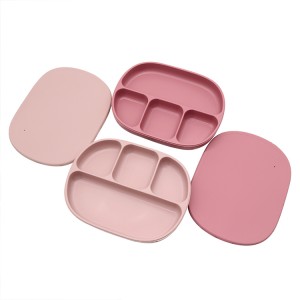
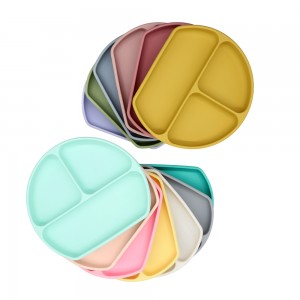
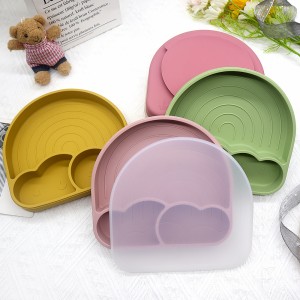
We offer more products and OEM service, welcome to send inquiry to us
Post time: May-23-2026