
By Wendy He – Silicone Baby Product Expert
Updated: July 10, 2026
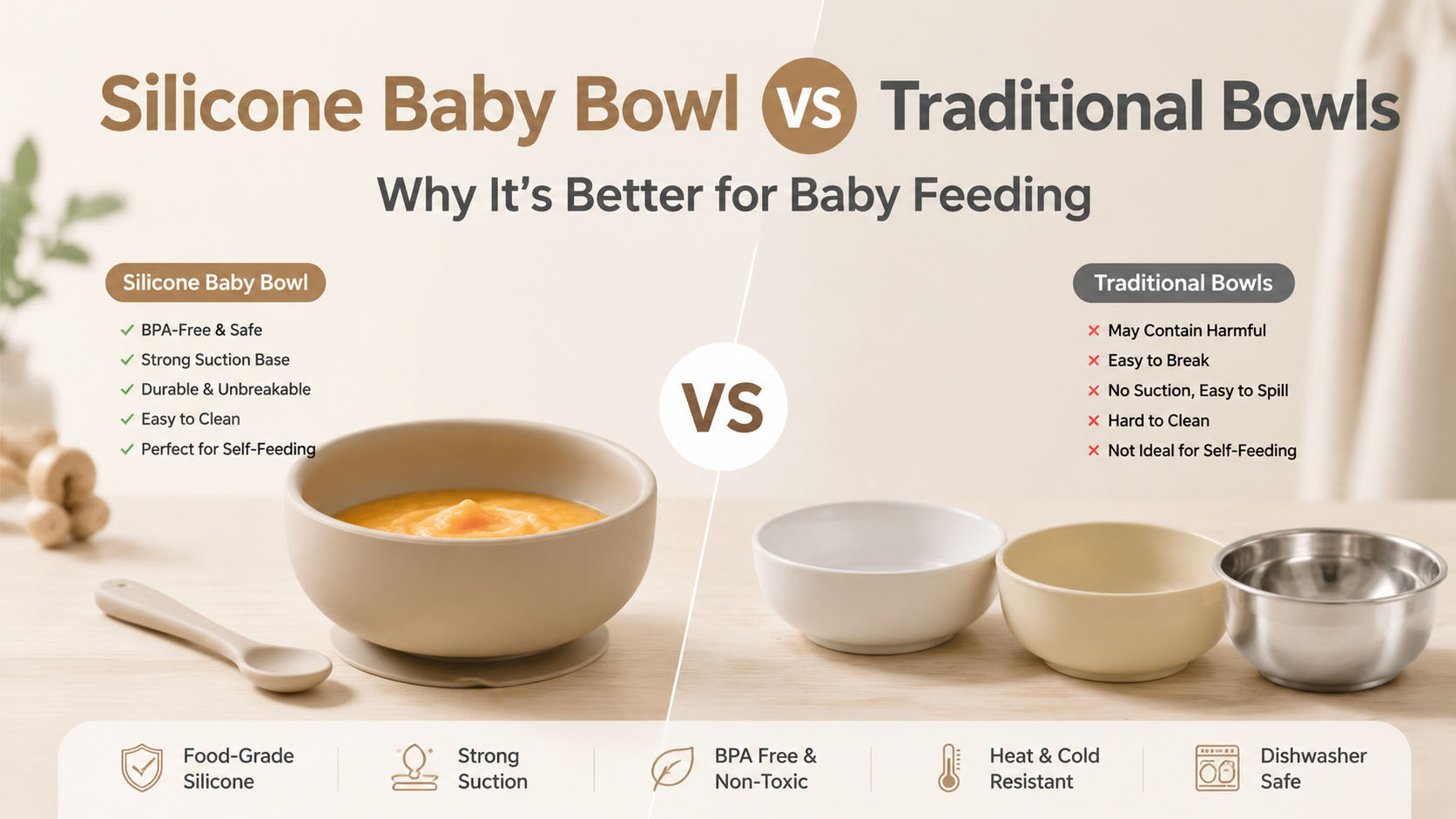
Silicone baby bowls have become the preferred choice for modern infant feeding thanks to their safety, durability, and spill-resistant design. This guide compares silicone baby bowls with traditional bowls, helping parents, retailers, and baby brands understand which option delivers better value, improved feeding experiences, and stronger long-term performance.
Key Takeaways
-
• Silicone baby bowls are safer, more durable, and easier to use than many traditional feeding bowls.
- • A suction base helps reduce spills while encouraging independent eating.
- • Food-grade silicone is BPA-free, flexible, and resistant to high and low temperatures.
- • Buyers should compare safety certifications, functionality, and long-term value—not simply product price.
- • Silicone baby bowls have become the preferred choice for modern parents, retailers, and private-label baby brands.
Quick Answer
If you're choosing between a silicone baby bowl and a traditional feeding bowl, silicone is generally the better option. Food-grade silicone offers superior safety, flexibility, durability, and ease of cleaning while supporting baby-led weaning with practical features such as strong suction bases. For retailers and baby product brands, silicone bowls also provide greater product differentiation, longer service life, and more customization opportunities than conventional feeding bowls.
As babies transition from milk to solid foods, selecting the right feeding bowl becomes more important than many parents initially realize. The bowl used during daily meals influences not only safety and hygiene but also a child's confidence in learning independent feeding.
Traditional bowls made from plastic, ceramic, bamboo, or stainless steel have been used for decades. However, growing awareness of food safety and advances in material technology have led many families to choose food-grade silicone instead. Silicone baby bowls are designed specifically for infants and toddlers, combining soft materials, suction functionality, and long-lasting durability in one practical product.
For wholesalers, retailers, and baby product brands, this shift also reflects changing market demand. Understanding why silicone bowls outperform traditional alternatives helps businesses make smarter sourcing decisions while offering products that better meet consumer expectations.
Why Are Silicone Baby Bowls Replacing Traditional Bowls?
Modern parenting has changed significantly over the past decade. Parents are no longer looking for feeding products based only on appearance or price. Instead, they prioritize safety, convenience, durability, and products that support healthy child development.
Silicone baby bowls have become one of the fastest-growing categories in the baby feeding market because they address all of these expectations simultaneously.
Designed Specifically for Infant Feeding
Unlike ordinary household bowls, silicone baby bowls are engineered with babies' developmental needs in mind.
Most high-quality silicone bowls include features such as:
- • Soft food-grade silicone material
- • Rounded edges for added safety
- • Strong suction bases
- • Heat-resistant construction
- • Easy-grip design
- • Dishwasher and microwave compatibility
These features help babies practice self-feeding while giving parents greater confidence during mealtimes.
Safer Materials Build Greater Trust
Parents today pay closer attention to the materials used in baby products than ever before.
Food-grade silicone has become widely trusted because it is naturally:
- • BPA-free
- • PVC-free
- • Phthalate-free
- • Odor resistant
- • Non-toxic
Unlike some traditional plastic bowls that may deteriorate over time, premium silicone maintains its performance even after repeated heating, freezing, and washing.
For businesses, offering products manufactured with certified food-grade silicone also helps strengthen consumer confidence and reduce quality-related concerns.
Consumer Demand Continues to Grow
The popularity of baby-led weaning and modern parenting lifestyles has accelerated demand for silicone feeding products.
Parents increasingly prefer products that:
- • simplify cleaning,
- • reduce food waste,
- • minimize spills,
- • support independent eating.
As a result, silicone baby bowls are now widely stocked by baby boutiques, online retailers, supermarkets, and private-label baby brands around the world.
Silicone Baby Bowl vs Traditional Bowls: Feature-by-Feature Comparison
Although traditional bowls are still commonly used in many households, they were never specifically designed for infant feeding. Silicone baby bowls solve many of the everyday challenges parents face during mealtime.
The comparison below highlights the most important differences.
| Feature | Silicone Baby Bowl | Traditional Bowl |
|---|---|---|
| Material Safety | Food-grade, BPA-free | Varies by material |
| Break Resistance | Excellent | Ceramic may break |
| Flexibility | Soft and flexible | Mostly rigid |
| Suction Base | Commonly included | Rare |
| Microwave Safe | Yes (premium silicone) | Depends on material |
| Dishwasher Safe | Yes | Depends on material |
| Easy for Self-Feeding | Excellent | Limited |
| Child Safety | Soft edges | Hard edges |
| Long-Term Durability | High | Varies greatly |
Safety Comes First
One of the biggest differences between silicone and traditional bowls is safety.
Traditional ceramic bowls can chip or break when dropped. Metal bowls may become too hot to touch after heating. Some low-quality plastic bowls may deteriorate over time when exposed to repeated heating cycles.
By comparison, food-grade silicone is flexible, impact-resistant, and designed specifically for repeated contact with food. Its soft surface also reduces the risk of injury when babies accidentally bump or drop the bowl during self-feeding.
Better Mealtime Experience
Parents often describe feeding time as one of the messiest parts of the day.
Silicone baby bowls help reduce this challenge through thoughtful functional design.
A strong suction base keeps the bowl securely attached to smooth surfaces, making it much harder for curious babies to lift, throw, or tip the bowl.
Combined with lightweight construction and soft edges, silicone bowls create a more comfortable learning environment for babies who are developing independent eating skills.
Easier Cleaning Saves Time
Convenience has become a major purchasing factor for today's families.
Unlike porous materials that may absorb stains or odors, silicone has a naturally smooth, non-porous surface.
High-quality silicone bowls can usually be:
- • washed in the dishwasher,
- • heated in the microwave,
- • stored in the freezer,
- • sterilized with boiling water.
This versatility reduces daily maintenance while helping parents maintain better hygiene throughout the feeding process.
Greater Long-Term Value
Although silicone baby bowls may have a slightly higher initial purchase price than some traditional bowls, they often deliver better long-term value.
Because premium silicone is highly durable, a single bowl can withstand years of everyday use without cracking, fading, or becoming brittle.
For retailers and distributors, this translates into fewer customer complaints, stronger product reviews, and greater consumer satisfaction—important factors that contribute to repeat business and long-term brand loyalty.
Which Feeding Bowl Is Better for Baby-Led Weaning?
Baby-led weaning (BLW) has become increasingly popular among modern families because it encourages babies to explore food, develop hand-eye coordination, and gradually build independent eating skills.
The feeding tools used during this stage can significantly affect the overall experience. Compared with traditional bowls, silicone baby bowls are often considered more suitable for baby-led weaning because they are designed around the practical needs of infants and caregivers.
Why Silicone Bowls Support Independent Feeding
During the early stages of self-feeding, babies are still learning how to:
- • Hold utensils
- • Scoop food
- • Control movement
- • Recognize different textures and flavors
A lightweight silicone bowl with a stable suction base creates a safer and more controlled feeding environment.
Unlike traditional bowls that can easily slide across a table or highchair tray, suction silicone bowls stay firmly in place, allowing babies to focus on eating rather than pushing or tipping the bowl.
This helps reduce frustration during meals and allows children to gradually develop confidence.
Soft Materials Are More Comfortable for Babies
Babies often interact with feeding products using both their hands and mouths.
Hard materials such as ceramic or stainless steel may feel uncomfortable during early feeding stages. Silicone provides a softer touch that is more suitable for babies who are still developing their feeding habits.
The flexible structure also reduces concerns about:
- • Sharp edges
- • Accidental drops
- • Breaking risks
For parents, this creates a safer feeding experience. For brands, this makes silicone baby bowls a more attractive product category for modern families.
When Traditional Bowls May Still Be Used
Traditional bowls are not completely unsuitable.
Some materials may still be useful in specific situations:
- • Ceramic bowls may be preferred for adult-style dining environments.
- • Stainless steel bowls may be used for older children.
- • Lightweight plastic bowls may be chosen for temporary or budget-friendly use.
However, these options often lack the infant-focused features that make silicone bowls popular, such as suction bases, soft surfaces, and flexible designs.
For products specifically designed for babies under three years old, silicone baby-led weaning feeding set provides a more complete feeding solution.
What Should Buyers Compare Before Choosing a Baby Bowl?
For parents, choosing a baby bowl is mainly about safety and convenience.
For retailers, distributors, and baby product brands, the decision requires a deeper evaluation of product quality, manufacturing capability, and market potential.
A successful baby feeding product should not only meet consumer expectations but also maintain consistent quality throughout large-scale production.
Material Certification and Safety Standards
The first factor buyers should evaluate is material safety.
High-quality silicone baby bowls should be made from food-grade silicone and supported by relevant testing documentation.
Common certifications and standards include:
- • FDA food-contact compliance
- • LFGB testing
- • CPSIA requirements
- • EN71 testing for related children's products
These certifications help demonstrate that the product meets safety requirements for international markets.
For importers and distributors, verified testing reports also reduce compliance risks when entering different regions.
Product Design and Functional Features
A successful silicone baby bowl is not only about the material. Functional design directly influences customer satisfaction.
Important features include:
Strong Suction Base
A reliable suction system prevents unnecessary spills and improves usability.
Appropriate Bowl Capacity
Different age groups require different sizes.
Typical product ranges include:
| Baby Age | Recommended Capacity |
|---|---|
| 6–12 Months | 200–300ml |
| 12–24 Months | 300–500ml |
| 24+ Months | 500ml+ |
Rounded Edges
Smooth edges improve safety and comfort during daily feeding.
Easy Cleaning Design
Simple structures with fewer hard-to-reach areas improve hygiene and user experience.
Manufacturing Capability and Quality Control
For B2B buyers, supplier capability is just as important as product design.
Before placing bulk orders, buyers should evaluate:
- • Production capacity
- • Quality inspection process
- • Material traceability
- • Sample approval process
- • Packaging capability
- • Delivery reliability
A professional silicone manufacturer should be able to maintain consistent product quality across thousands of units.
Customization Options for Brand Differentiation
The baby product market is highly competitive. Many brands are looking for ways to create unique product lines rather than selling identical products.
Silicone baby bowls provide strong customization opportunities, including:
- Custom colors
- Logo printing
- Customized packaging
- Shape modifications
- Matching feeding sets
These custom baby feeding product options allow brands to create stronger product identity and improve shelf recognition.
Buyer's Checklist: What Makes a High-Quality Silicone Baby Bowl?
Before selecting a silicone baby bowl supplier, buyers should confirm the following:
Material
✔ Food-grade silicone
✔ BPA-free and non-toxic materials
✔ Third-party safety testing available
Design
✔ Strong suction performance
✔ Smooth rounded edges
✔ Appropriate bowl size
✔ Easy-clean structure
Manufacturing
✔ Stable production capability
✔ Quality inspection procedures
✔ OEM/ODM support
✔ Reliable delivery schedule
Branding
✔ Custom colors available
✔ Logo customization available
✔ Packaging solutions available
Expert Tip
For baby product brands, the best suppliers are not always the ones offering the lowest price. A reliable manufacturing partner should provide consistent silicone quality, complete testing documentation, flexible customization options, and stable production support to protect long-term brand reputation.
Why More Baby Brands Are Switching to Silicone Feeding Products
The growth of silicone baby feeding products reflects a broader change in consumer expectations.
Today's parents are looking for products that combine:
- • Safety
- • Convenience
- • Modern design
- • Long-term usability
This trend has created new opportunities for baby brands, retailers, and distributors.
Silicone Products Match Modern Consumer Preferences
Parents increasingly research product materials before purchasing baby items.
They look for:
- • BPA-free products
- • Certified materials
- • Easy-clean solutions
- • Durable designs
Silicone baby bowls naturally align with these expectations.
Silicone Creates Better Product Differentiation
For brands, competing only through price is becoming more difficult.
Silicone products provide opportunities for differentiation through:
- • Unique colors
- • Premium packaging
- • Complete feeding collections
- • Brand-specific designs
A well-designed silicone feeding line can help brands build stronger customer loyalty.
Growing Opportunity for Private Label Products
Silicone baby bowls are suitable for private-label development because they allow manufacturers and brands to customize products according to market needs.
Common customization projects include:
- • Baby feeding sets
- • Silicone plates
- • Suction bowls
- • Silicone utensils
For companies entering the baby products market, silicone feeding products offer a practical category with strong consumer demand.
Melikey, a leading silicone baby bowl manufacturer in China, provides one-stop OEM/ODM services and has over 10 years of industry experience, serving baby brands worldwide.
Frequently Asked Questions About Silicone Baby Bowls
Are Silicone Baby Bowls Better Than Traditional Bowls?
Yes, for infant feeding purposes, silicone baby bowls are generally a better choice because they provide safer materials, stronger durability, easier cleaning, and better support for independent feeding.
Do Silicone Baby Bowls Contain BPA?
No. Food-grade silicone baby bowls are naturally BPA-free and are designed without harmful plastic additives.
Why Are Suction Bowls Popular for Babies?
Suction bowls help prevent spills and allow babies to practice self-feeding with fewer distractions.
Can Silicone Baby Bowls Be Used in the Microwave?
Many premium silicone baby bowls are microwave-safe. However, buyers should always follow manufacturer instructions.
How Long Do Silicone Baby Bowls Last?
High-quality silicone baby bowls can last several years with proper care because silicone is resistant to cracking, fading, and daily wear.
Final Thoughts: Why Silicone Baby Bowls Are the Better Choice
Silicone baby bowls have become one of the most practical feeding solutions for modern infants because they combine safety, functionality, and durability in one product.
Compared with traditional bowls, silicone options provide advantages that better match the needs of babies learning to eat, including soft materials, suction stability, easy cleaning, and long-term reliability.
For parents, silicone baby bowls create a safer and more convenient feeding experience. For retailers, distributors, and baby brands, they represent a growing product opportunity with strong consumer demand and customization potential.
Choosing the right silicone baby bowl supplier is equally important. Brands that focus on certified materials, reliable manufacturing, and thoughtful product design can build stronger products and long-term customer trust.
Author Bio
Wendy He is a silicone baby product expert with extensive experience in baby feeding product development and OEM customization solutions. She specializes in food-grade silicone products, infant feeding solutions, and private label baby product manufacturing.
If you are in business,You may like
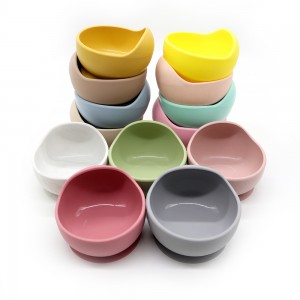
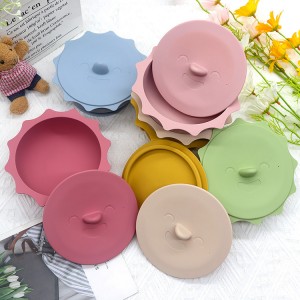
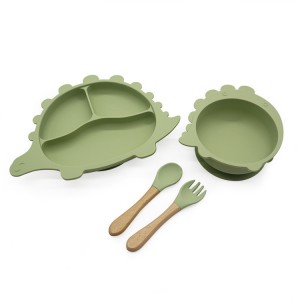
Looking for a Reliable Silicone Baby Bowl Supplier?
Melikey provides food-grade silicone baby feeding products with OEM/ODM customization support, helping brands create safe, functional, and market-ready feeding solutions.
Post time: Jul-04-2026