
By Wendy He – Silicone Baby Product Expert
Updated: June 22, 2026
Key Takeaways
-
• Silicone baby bowls are widely used for infant feeding because they are food-safe, durable, and easy to clean.
- • Suction bowl designs help reduce mess and support baby-led weaning and self-feeding development.
- • Food-grade silicone is naturally BPA-free, heat-resistant, and suitable for daily feeding use.、
- • Buyers should prioritize certified materials, strong suction performance, and reliable manufacturing quality.
- • Custom colors, logo branding, and packaging options make silicone baby bowls a popular choice for baby product brands.
Quick Answer
A silicone baby bowl is a feeding bowl made from food-grade silicone that helps babies transition to self-feeding safely. Its soft texture, strong suction base, durability, and easy-to-clean design make it one of the most popular feeding products for infants and toddlers. For brands and distributors, silicone baby bowls also offer excellent safety compliance and customization opportunities.
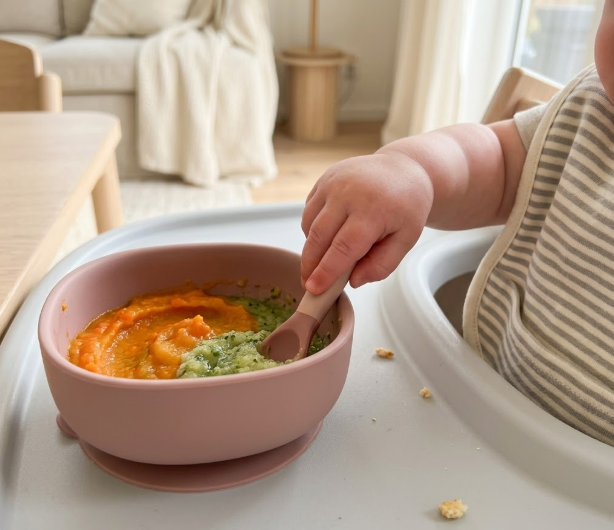
As babies begin exploring solid foods, choosing safe and practical feeding products becomes a priority for parents and caregivers. Among the many options available, silicone baby bowls have become one of the most recommended solutions for infant feeding. Made from food-grade silicone, these bowls are soft, durable, and designed to support self-feeding while reducing spills and messes.
For retailers, distributors, and baby product brands, silicone baby bowls have also become a high-demand product category due to their safety certifications, long service life, and growing popularity among modern families. This guide explains what silicone baby bowls are, why they are widely used for infant feeding, and what buyers should look for when selecting quality products.
What Is a Silicone Baby Bowl?
Definition of a Silicone Baby Bowl
A silicone baby bowl is a feeding bowl specifically designed for infants and toddlers. Unlike traditional bowls made from plastic or ceramic, silicone baby bowls are manufactured using food-grade silicone, a flexible and durable material that is safe for contact with food.
Most silicone baby bowls are designed with features such as:
- • Soft edges
- • Non-slip surfaces
- • Strong suction bases
- • Heat resistance
- • Easy-clean construction
These features help babies learn independent feeding while making mealtimes easier for parents.
Why Food-Grade Silicone Is Used
Food-grade silicone has become one of the most trusted materials in baby feeding products because it is:
- • BPA-free
- • Odor-resistant
- • Non-toxic
- • Durable
- • Temperature-resistant
High-quality silicone baby bowls typically comply with FDA or LFGB food-contact standards, helping ensure product safety during everyday use.
Why Are Silicone Baby Bowls Ideal for Infant Feeding?
Safe for Babies Learning to Eat
Safety is one of the biggest reasons parents choose silicone feeding products.
Unlike fragile materials that may break or crack, silicone remains soft and flexible even when dropped. This helps reduce the risk of injury during self-feeding.
Gentle on Sensitive Gums
Many babies begin self-feeding while still teething.
The soft texture of silicone is gentle against developing teeth and gums, making it more comfortable than hard feeding surfaces.
Suction Base Helps Reduce Mess
One of the most popular features of modern silicone baby bowls is the suction base.
When attached to a highchair tray or tabletop, the bowl stays in place, reducing spills and helping babies focus on learning feeding skills rather than playing with the bowl.
Supports Baby-Led Weaning (BLW)
Silicone baby bowls are commonly used during baby-led weaning because they encourage independent eating.
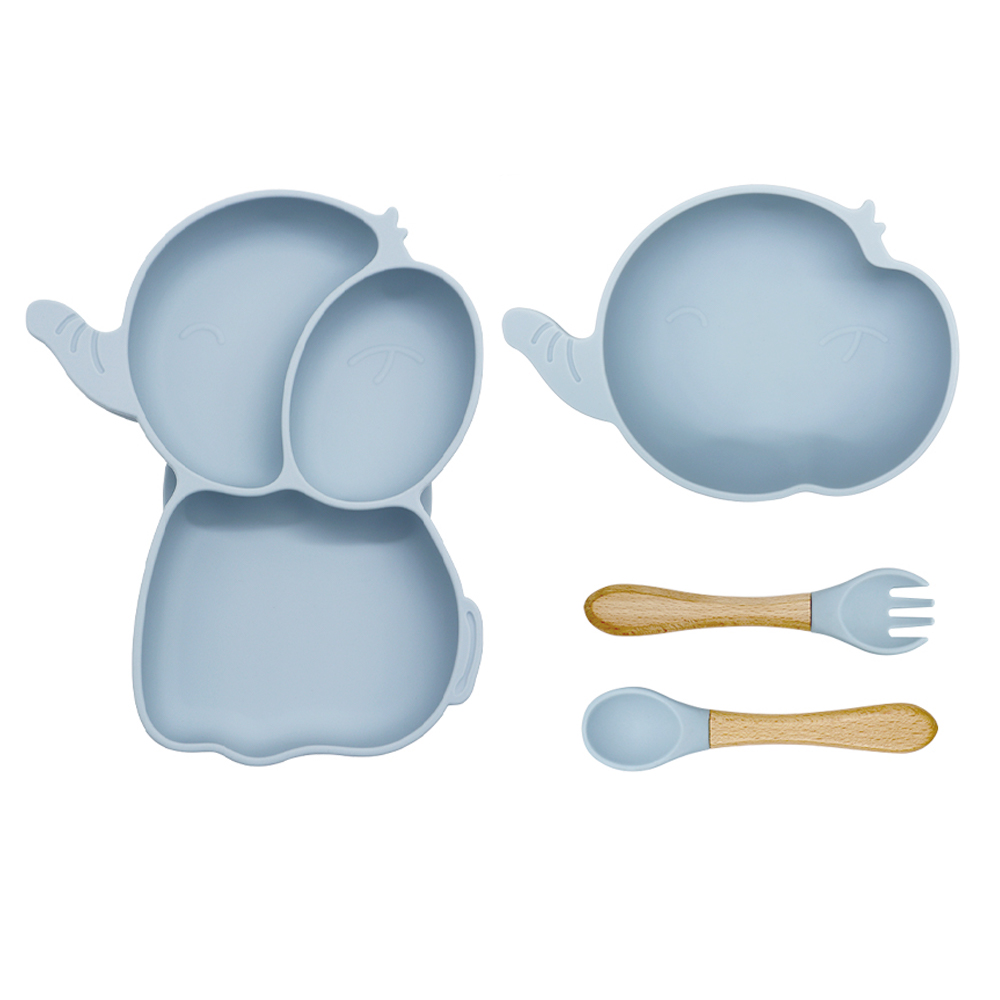
Many parents combine bowls with spoons and plates from complete baby-led weaning feeding set designed for self-feeding development.
Easy to Clean for Busy Families
Silicone naturally resists stains and odors.
Most silicone bowls can be:
- • Dishwasher safe
- • Microwave safe
- • Freezer safe
- • Boiling-water sterilized
This makes them practical for everyday feeding routines.
Durable for Daily Use
Unlike many feeding products that wear out quickly, quality silicone bowls can withstand years of repeated use without cracking, warping, or fading.
Key Features of a High-Quality Silicone Baby Bowl
Not all silicone baby bowls are manufactured to the same standards. Buyers should evaluate the following features before making a purchasing decision.
Food-Grade Silicone Certification
The first factor to verify is material safety.
Look for food-grade silicone tableware tested according to:
- • FDA standards
- • LFGB standards
- • CPSIA requirements
Strong Suction Performance
A weak suction base reduces the effectiveness of the product.
High-quality bowls should remain securely attached to smooth surfaces during feeding.
Appropriate Bowl Capacity
The ideal size depends on the age group.
Typical capacities include:
| Age Range | Recommended Capacity |
|---|---|
| 6–12 Months | 200–300ml |
| 12–24 Months | 300–500ml |
| 24+ Months | 500ml+ |
Heat and Cold Resistance
Premium silicone can typically withstand:
- • Microwave heating
- • Refrigerator storage
- • Freezer storage
- • Dishwasher cleaning
Easy-to-Clean Design
Smooth surfaces and rounded corners help prevent food buildup and simplify cleaning.
What Should Buyers Look for When Sourcing Silicone Baby Bowls?
For wholesalers, distributors, and baby brands, product quality is only one part of the purchasing decision.
Verify Product Certifications
Buyers should request:
- • FDA reports
- • FLFGB reports
- • FCPSIA testing reports
These documents help demonstrate compliance with market requirements.
Assess Manufacturing Capabilities
Reliable suppliers should provide:
- • Consistent production quality
- • Stable lead times
- • Quality inspection procedures
- • Material traceability
Evaluate Custom Branding Options
Private-label opportunities may include:
- • Logo printing
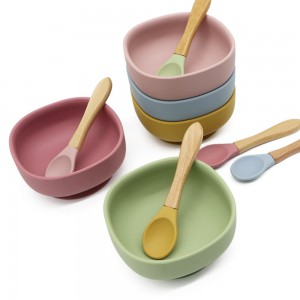
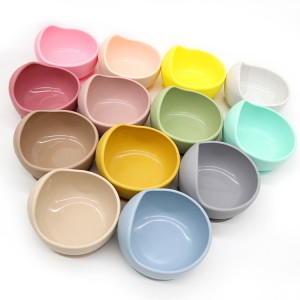
- • Custom colors
- • Custom packaging
- • Product bundling
These options help brands custom baby feeding set.
Consider Long-Term Supply Reliability
A dependable silicone baby bowl manufacturer partner can help reduce sourcing risks while supporting future product expansion.
Frequently Asked Questions About Silicone Baby Bowls
Are Silicone Baby Bowls Safe for Babies?
Yes. High-quality silicone baby bowls made from food-grade silicone are generally considered safe for infant feeding and are widely used worldwide.
Do Silicone Baby Bowls Contain BPA?
No. Food-grade silicone is naturally BPA-free.
Can Silicone Baby Bowls Be Used in the Microwave?
Most premium silicone bowls are microwave-safe. Always follow the manufacturer's instructions.
What Age Can Babies Start Using Silicone Bowls?
Many babies begin using silicone feeding bowls around six months of age when solid foods are introduced.
Why Are Suction Bowls Popular?
Suction bowls help reduce spills, improve feeding independence, and support baby-led weaning.
What Certifications Should Silicone Baby Bowls Have?
FDA and LFGB testing are among the most commonly requested certifications for silicone feeding products.
Why Silicone Baby Bowls Remain a Top Choice for Infant Feeding
Silicone baby bowls have become one of the most trusted feeding products for infants and toddlers thanks to their safety, durability, ease of cleaning, and self-feeding support. Whether you are a parent looking for practical feeding solutions or a business sourcing products for your brand, choosing a high-quality food-grade silicone bowl can provide long-term value and reliable performance.
Author Bio
Wendy He is a silicone baby product expert with extensive experience in baby feeding product development and OEM customization solutions. She specializes in food-grade silicone products, infant feeding solutions, and private label baby product manufacturing.
If you are in business,You may like
We offer more products and OEM service, welcome to send inquiry to us
Post time: Jun-22-2026